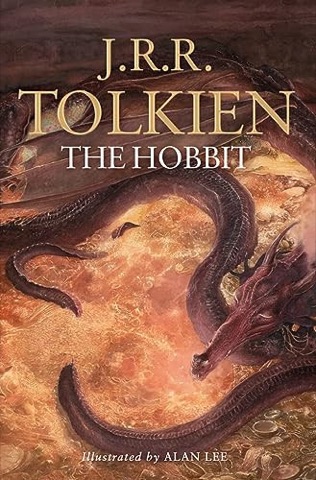
The Hobbit
1937
Bilbo Baggins joins Gandalf and thirteen dwarves on a quest to reclaim Erebor.
Middle-earth is best read in publication order: all 9 Middle-earth books, from The Hobbit (1937) to The Fall of Gondolin (2018). Open The Hobbit and keep going. Read The Hobbit before The Lord of the Rings; The Silmarillion is optional homework.
Updated August 2026
1937
Bilbo Baggins joins Gandalf and thirteen dwarves on a quest to reclaim Erebor.
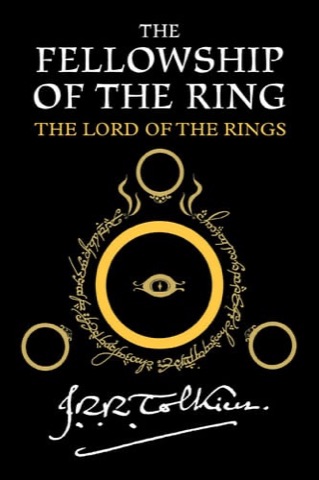
1954
Frodo inherits the One Ring and the Fellowship sets out from Rivendell.
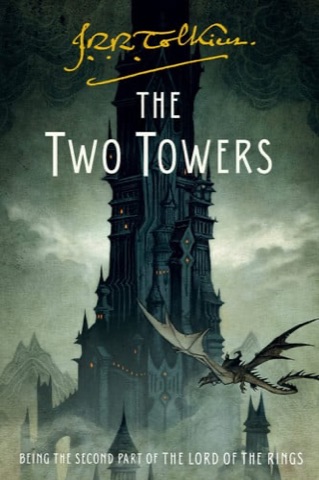
1954
The broken Fellowship pursues separate paths as war engulfs Rohan and Gondor.
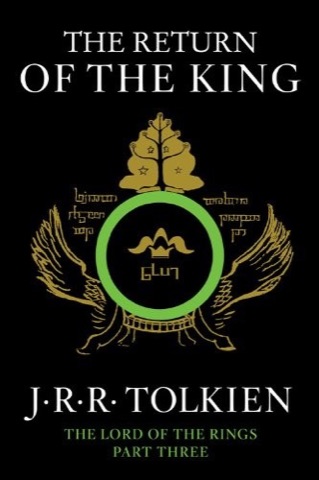
1955
The War of the Ring reaches its climax and the age of Middle-earth turns.
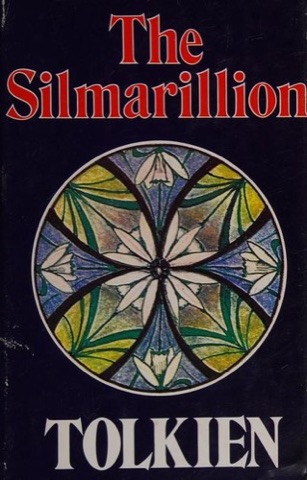
1977
Mythic overview of the First Age: the creation of the world and the wars of the Elves.
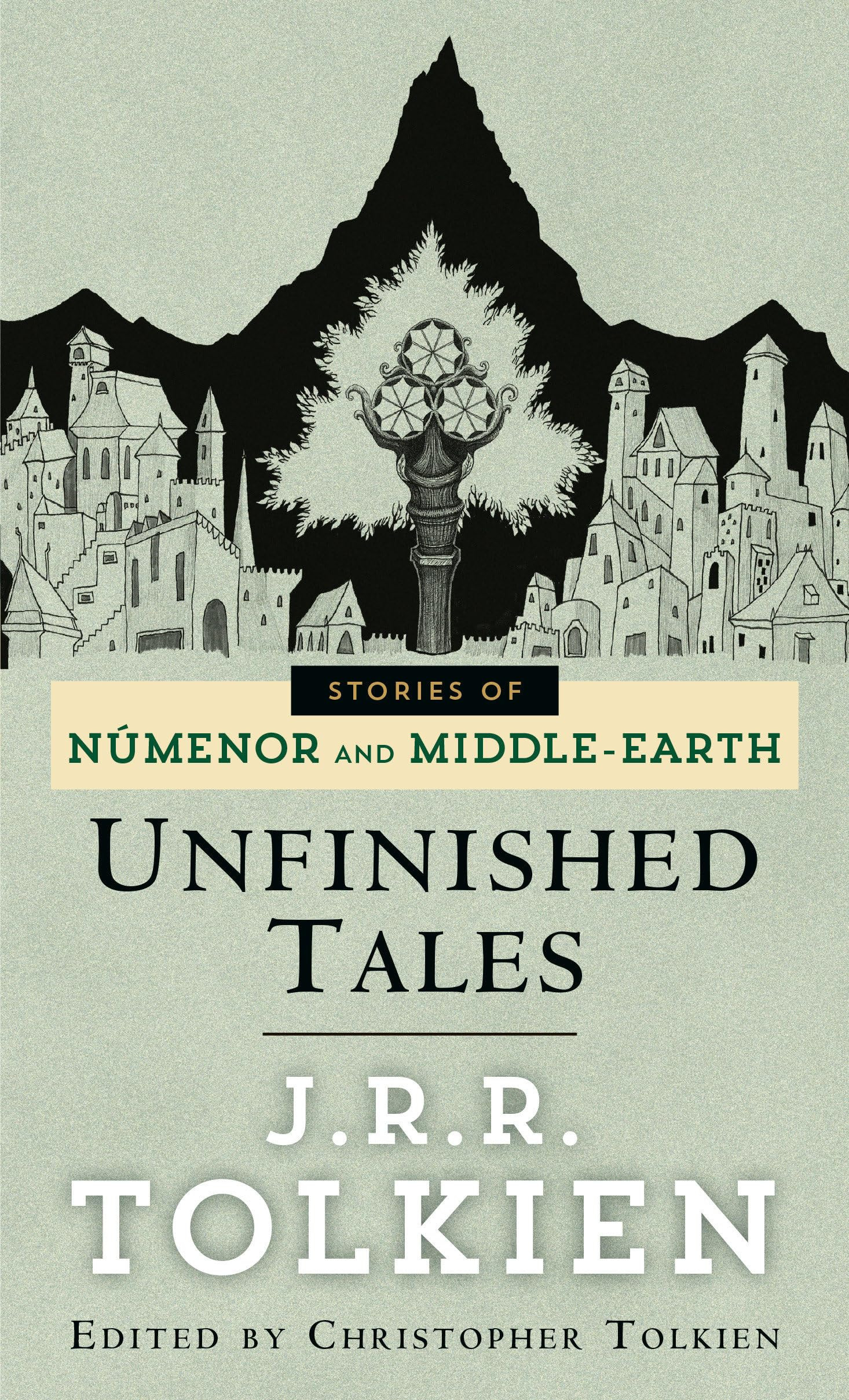
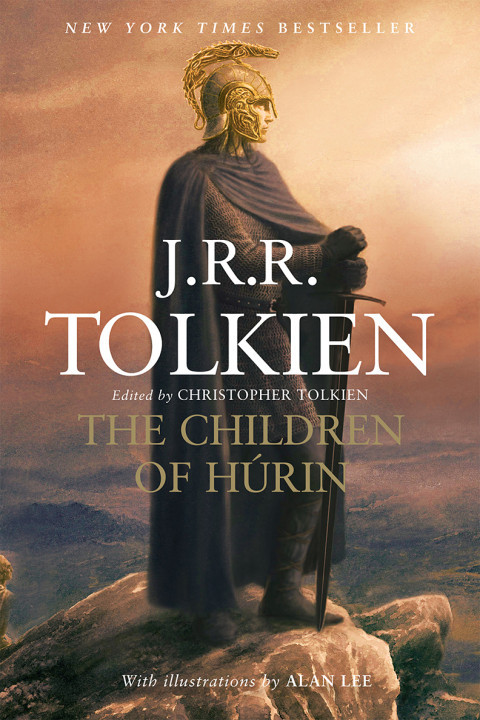
2007
Standalone novel of Túrin Turambar, expanded from Silmarillion material.
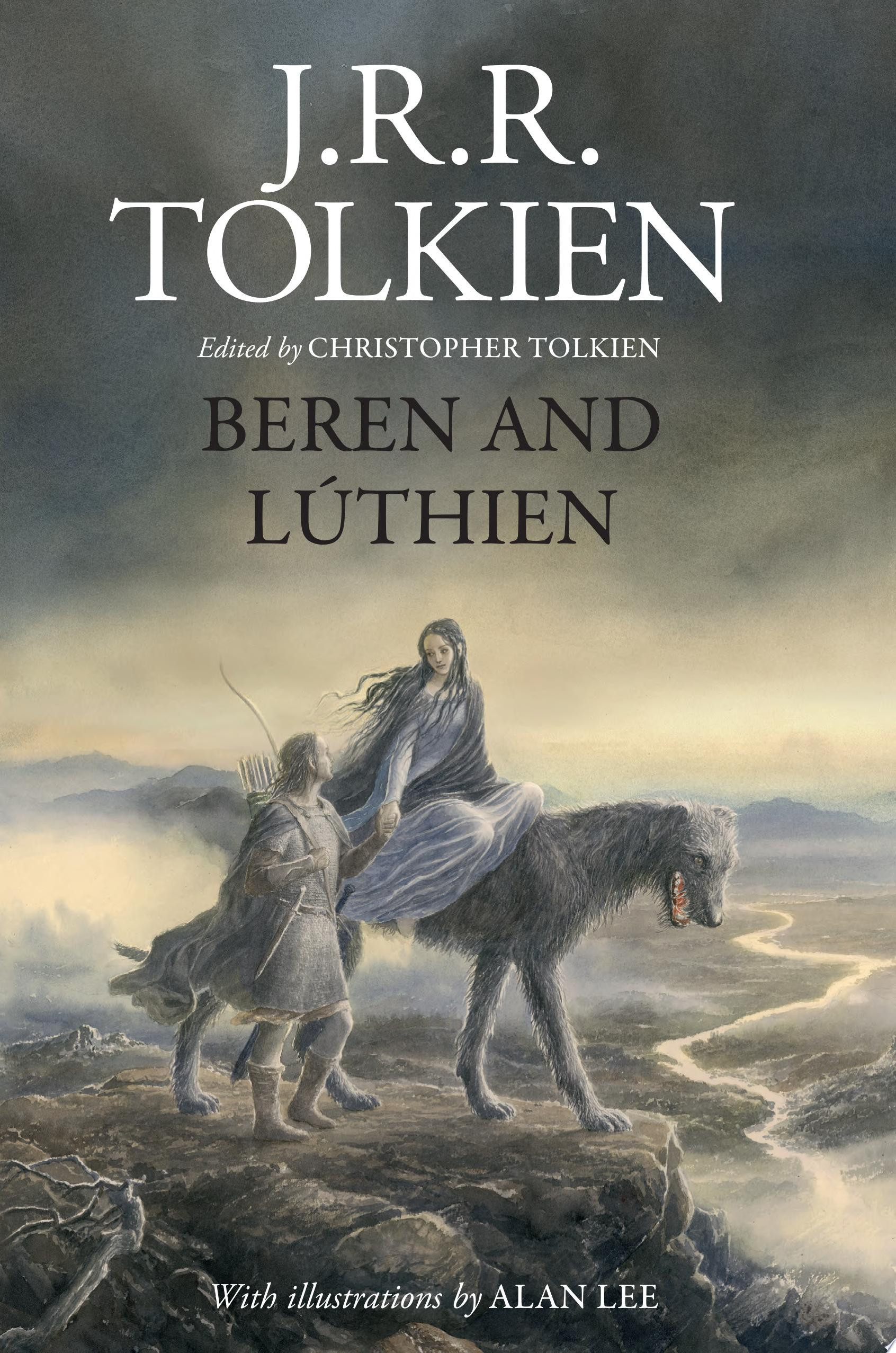
2017
Expanded Great Tale of Beren and Lúthien. Textual history; after The Silmarillion.
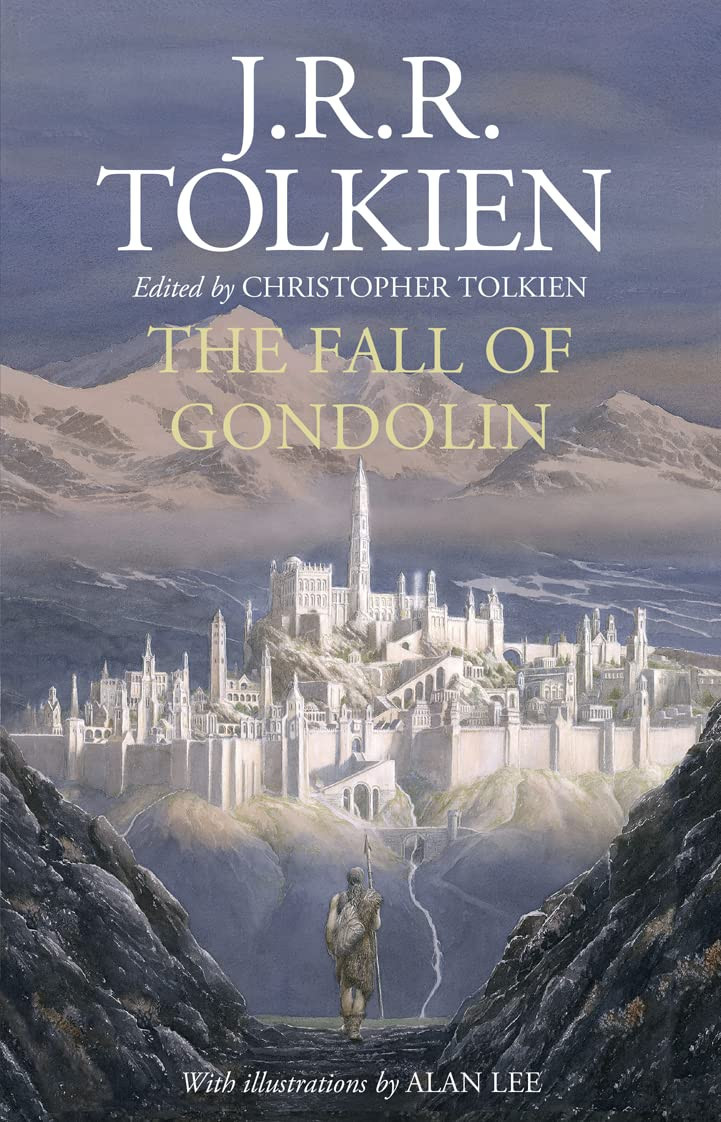
2018
Expanded Great Tale of Gondolin's fall. Textual history; after The Silmarillion.
For most fantasy readers, Middle-earth means four volumes: The Hobbit (1937) and The Lord of the Rings in three books (1954–1955). The Hobbit is the lighter adventure; LotR is the sequel that blows the map open into war across Middle-earth. That is the path that still converts the most new readers.
Those four, in publication order, are the core path. The Silmarillion, Unfinished Tales, and The Children of Húrin are deeper legendarium: gold if you are hooked, not your first climb. Later Hostetter and Sibley volumes like The Fall of Númenor are advanced optional. The appendices in The Return of the King are optional lore for when you want more names and dates.
Start with The Hobbit. It gives you the Shire, hobbits, and Bilbo's ring before LotR asks you to care about all of that at scale. You can survive LotR without The Hobbit, but you lose useful context and a gentler on-ramp. For the four core books there is no meaningful alternate order.
Four core volumes: The Hobbit plus The Lord of the Rings trilogy. Deeper legendarium volumes are optional.
After The Silmarillion, or after LotR if you only want one First Age novel. Expands the Túrin tale.
No for story. Christopher Tolkien's draft archive for scholars, not leisure sequels.
The Hobbit, then The Lord of the Rings in order.
Usually no. Read it after the main novels if you want the older myth.